
How to Choose a Whole-Home Color Palette
March 7, 2025
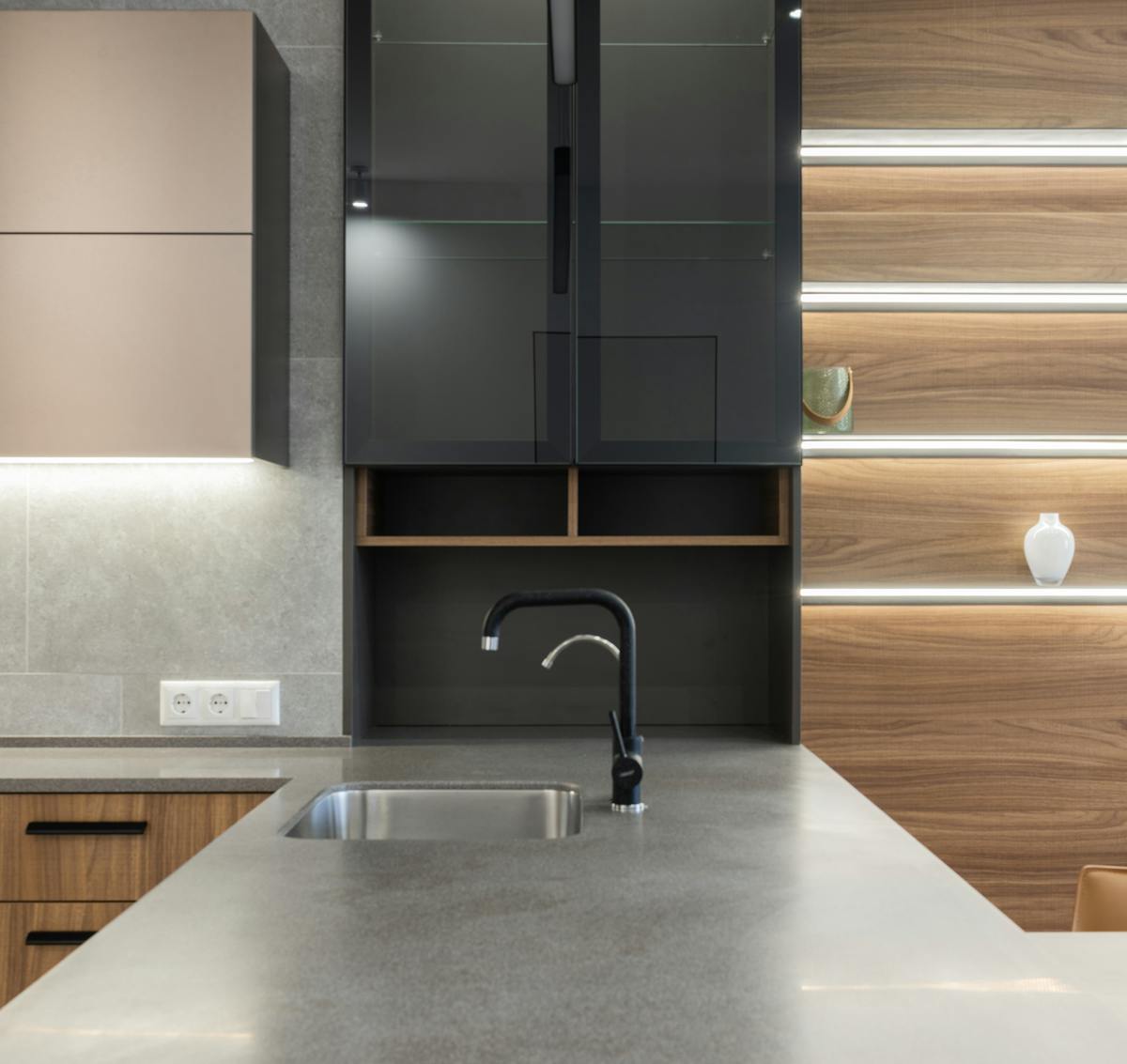
A whole-home palette should feel connected, not repetitive. The goal is that one room flows naturally into the next, while each space still has its own mood. That usually means choosing a small family of shades with shared undertones rather than picking every room color in isolation.
Start With the Fixed Elements
Flooring, countertops, tiles, fireplaces, and large furniture matter more than trend forecasts. If those elements are warm, choose a palette that supports them. A base of S0502-Y, S1002-Y, and S2005-Y20R gives you warmth and continuity without making the whole house feel beige.
Pick a Base, a Supporting Tone, and an Accent
Whole-Home Palette Structure
Use your lightest color in the most public or brightest areas, the softer middle shade in connecting rooms, and the deeper tone in spaces where you want more intimacy. Then introduce one accent, such as S3010-B, through a study, bathroom, or painted joinery so the house feels layered rather than flat.
Flow Matters More Than Variety
People often overcomplicate a home palette because they are afraid rooms will look boring if they relate to one another. In reality, visual flow usually makes a home feel more expensive, calmer, and easier to decorate. Variety should come from textiles, lighting, and furniture as much as from paint.